For schools

Help students find their voice through music.

Craft Music partners with small and rural schools to bring live online music instruction into the school day. Together, we help students develop musical skills, explore their own ideas, and share what they create.

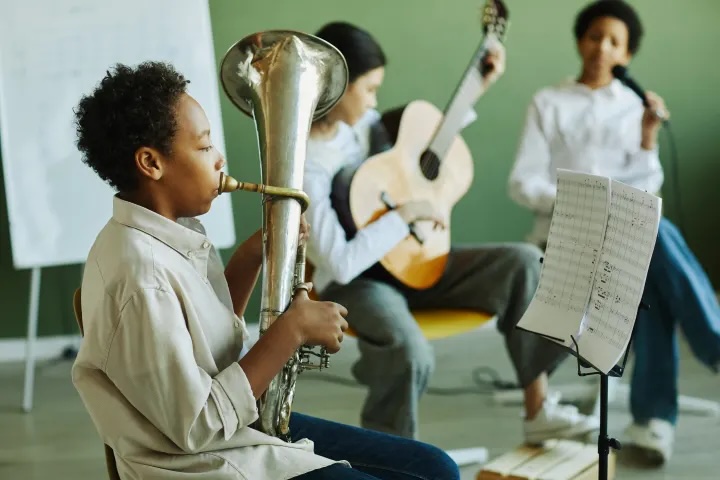
Students in music class
Students making music together during the school day.

A school partnership

Maxwell Unified: music when a local hire wasn’t possible

A small rural district needed K–8 music after months without a local candidate. Craft Music brought live online lessons into the school day so students could keep learning.

What happened

Who
K–8 students at Maxwell Unified School District who otherwise would have had no music teacher on staff.
What students did
Joined live online lessons during the school day — building from a first cohort into a wider program across instruments and group classes.
What the school contributed
Local scheduling, on-site adult support, and a clear decision to keep music in the week even without a local hire.
Reach (access)
Program grew from about 12 students to more than 50 active musicians — a measure of access, not a claim about confidence for every learner.

“Craft Music has been an invaluable partner… As a small, rural school district, Maxwell faced significant challenges in filling a music position. After months of searching without success, we partnered with Craft Music… Their commitment to excellence and flexibility has allowed us to maintain a strong music program despite staffing difficulties.”

Summer Shadley

Superintendent and Principal, Maxwell Unified School District

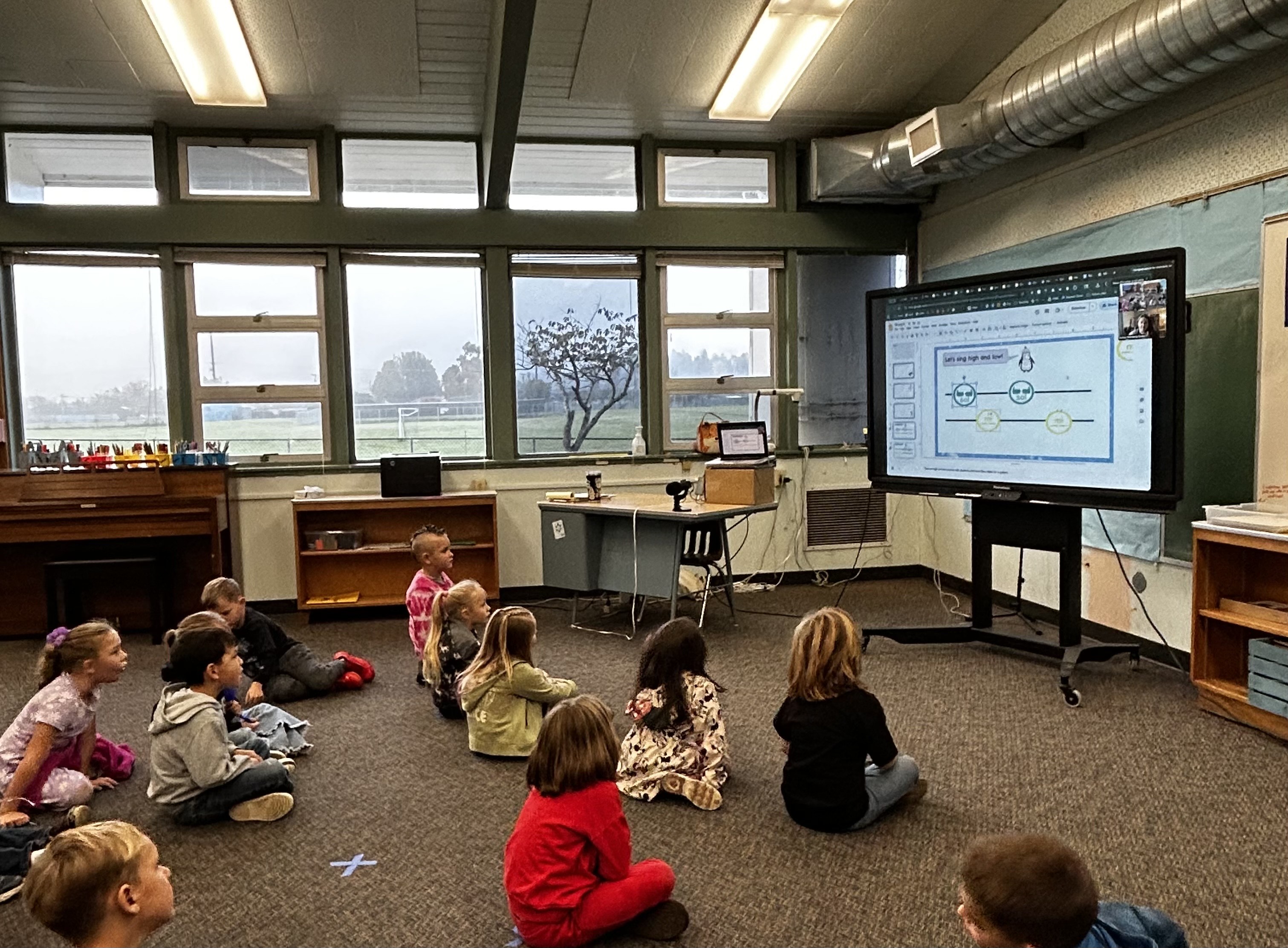
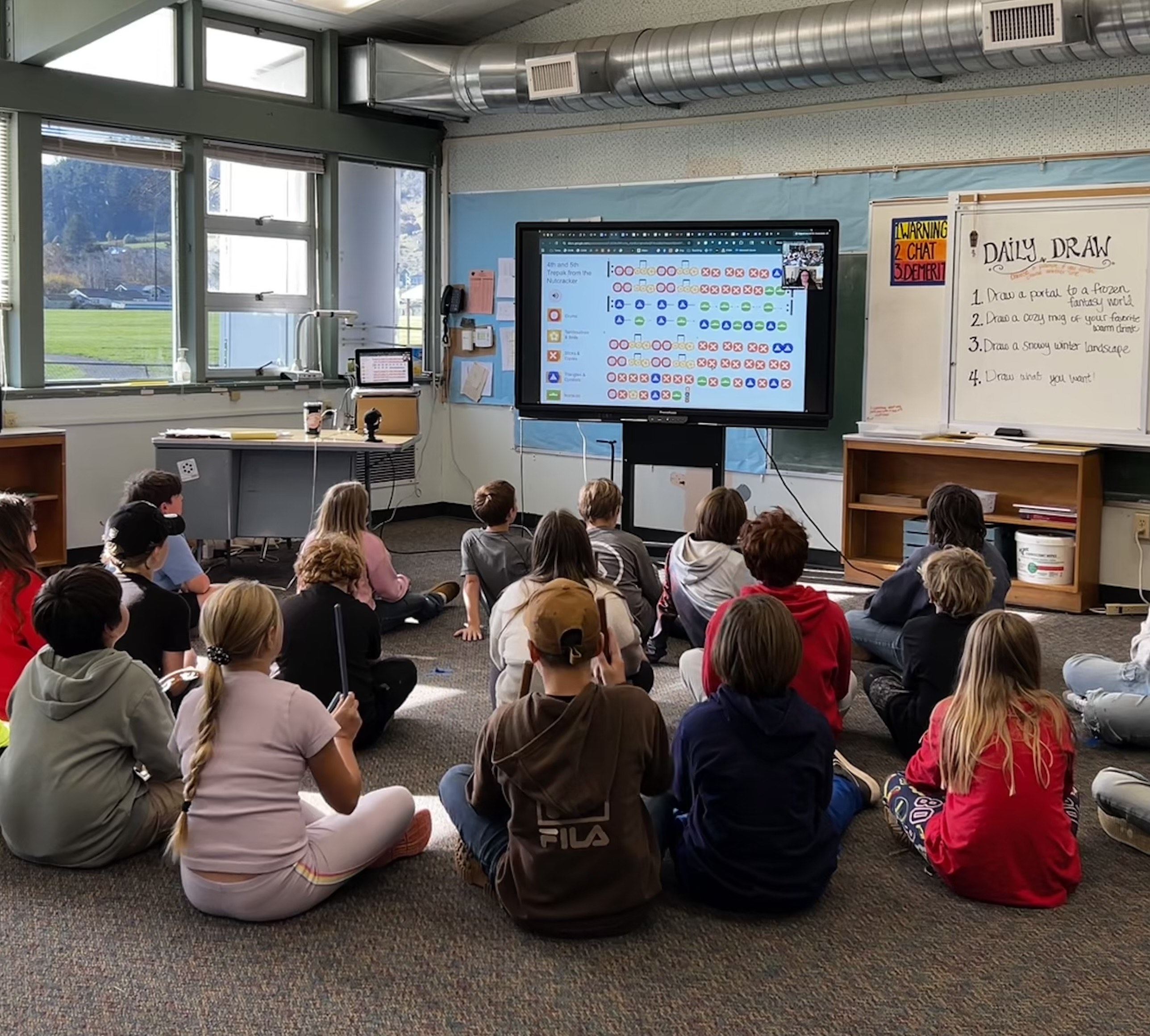
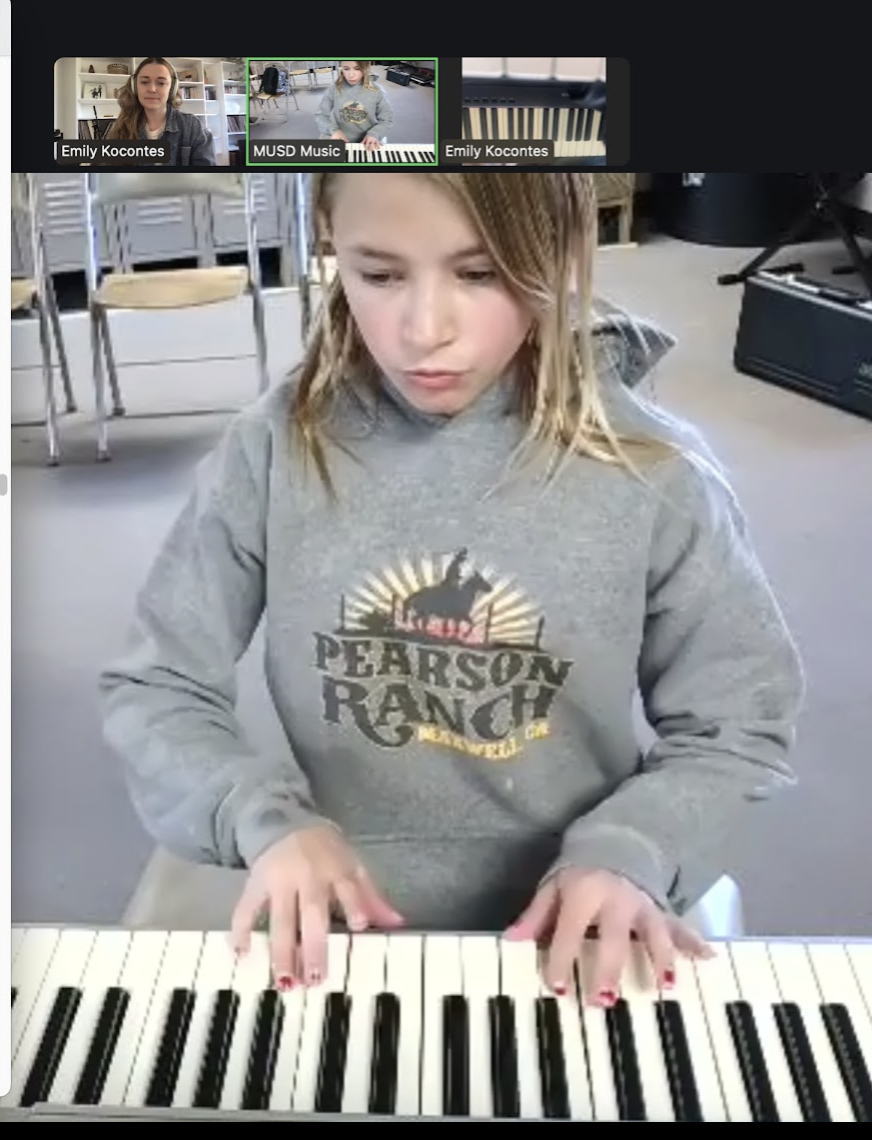
Live lesson: Maxwell Unified student connected with Craft teacher Kelly Vargas
A Maxwell Unified student in the school music room with Craft teacher Kelly Vargas — live online instruction during the school day.
Students
Online lesson
Students making music
Music classroom
Lesson in progress
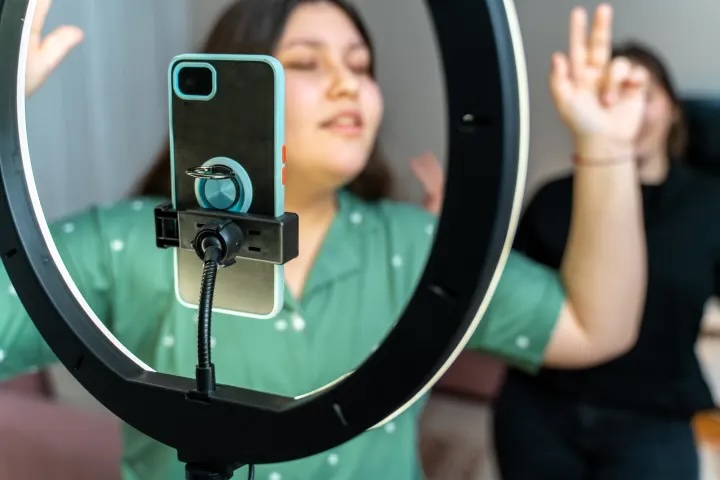
Students in music class

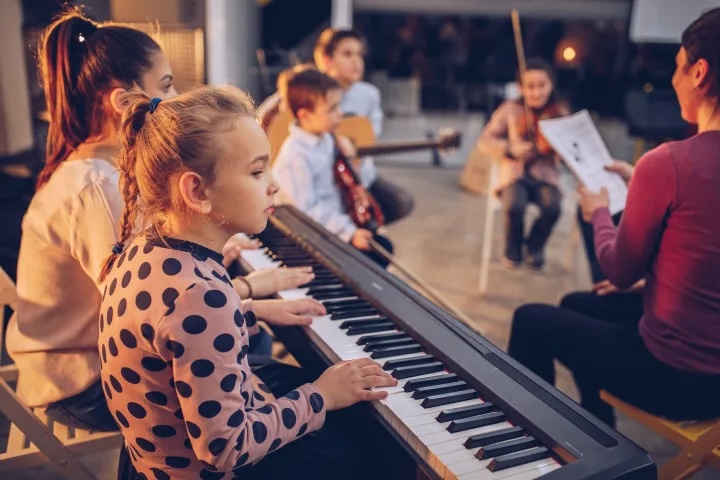
Students taking Craft Music lessons from various schools.

What students do

Programs described through the learner

Familiar program names, with room for beginners and different ways of participating. We shape the mix with your school.

General music

Students explore rhythm, singing, and listening, then use what they learn to make music together — choosing a sound, keeping a pulse, or inventing a short musical idea.

Choir and group music

Students work toward a shared piece while developing their own part. The group is together at school with local support and receives remote coaching — not a multi-site Zoom ensemble.

Individual or small-group lessons

A teacher helps each learner work toward a musical goal that matters to them, with a clear next step and chances to hear their own progress.

Composition and production

Where available, students turn an idea, memory, or musical interest into a short piece or recording. Scope depends on the teacher, school-approved tools, and age.

A teacher who knows the students. A school team that supports the music.

We plan the program with your school and agree how the music teacher and local staff will work together. A shared schedule and clear communication help everyone understand the next step.

Remote teacher

Leads musical goals, plans lessons, and adjusts when students need another approach.

Classroom adult

Supports behavior, devices, and presence so learning time stays on music.

School coordinator

Owns schedule, room logistics, and the partnership conversation with Craft Music.

Setup is real work — not effortless. Districts should understand the local time and resources needed before committing. Fairly paid teaching, preparation, and coordination sustain the experience.

Pilot with willing schools

How we review progress — when agreed with your school

A small, repeatable teaching practice. We pilot this with willing partners before treating it as a standard promise.

  1. 1

    At the start

    Teacher and students pick an age-appropriate musical goal. Younger students may choose through sounds, instruments, or activities.

  2. 2

    During lessons

    The teacher notes one specific next step. Students contribute by playing, singing, composing, or listening — not only by performing alone.

  3. 3

    At a checkpoint

    Revisit the goal and keep one small piece of evidence: an observation, rhythm exercise, short composition, or approved recording.

  4. 4

    For sharing

    Offer an appropriate way to share with classmates or families. Permissions are handled separately. Recitals are planned only when staffing supports them.

Scope, cost, and funding

Pricing follows cohort size, lesson length, and how often music meets. Prop 28 and other instructional arts funding can support ongoing programs — we’ll help you map options to your district’s rules.

Cohort volume

1:1, small groups (3–6), or full-class general music.

Lesson length

30, 45, or 60-minute blocks matched to age and focus.

Frequency

Weekly enrichment through denser residency models — set with your calendar.

  • Classroom AV onboarding and schedule coordination
  • Attendance and service logs for your records
  • Sharing opportunities planned with school staff — not a fixed recital calendar by default

What would you like music to make possible for your students?

Tell us about your school. Next step is a short conversation about students, local support, timing, and program scope — then a proposal if there’s a fit. We check teacher capacity before promising a start date.

Or email admin@craft-music.com

No student records required for a first inquiry.